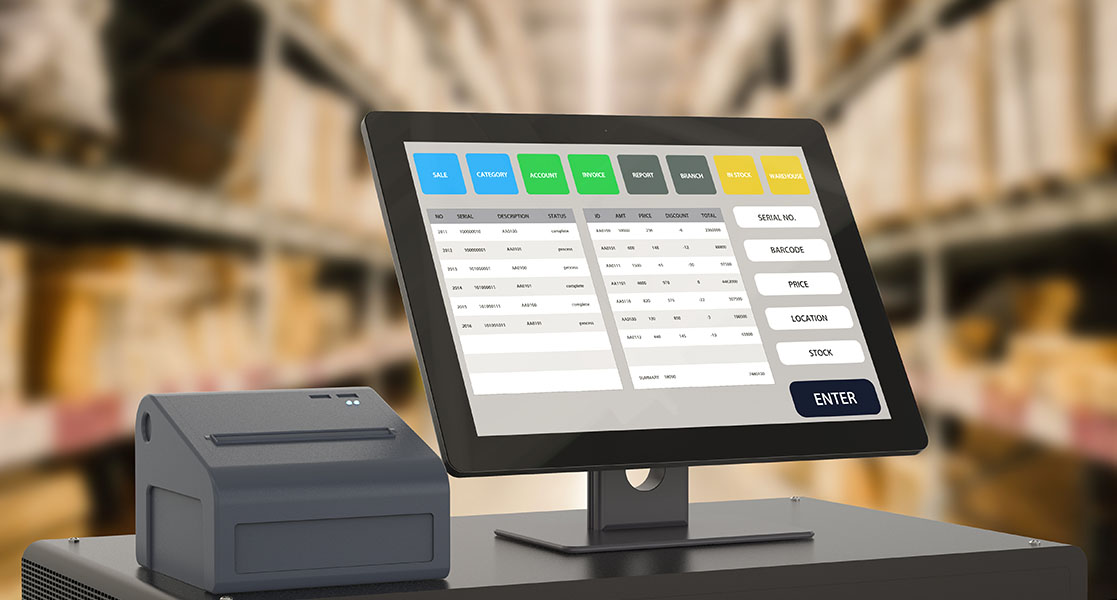
In today’s fast-moving retail and service landscape, Point-of-Sale (POS) systems are the backbone of business operations. Whether you run a small shop, a restaurant, or a large enterprise, a POS system is far more than just a billing tool—it is a complete business management solution that streamlines sales, inventory, customer interactions, and reporting.
What is a POS System?
A Point-of-Sale (POS) system is the place where a transaction occurs between a business and a customer. Traditionally, this meant a cash register, but modern POS systems combine hardware and software to handle everything from sales processing to analytics.
At its core, a POS system helps businesses:
- Process transactions quickly and accurately
- Track inventory in real time
- Manage customer data
- Generate reports for better decision-making
How POS Systems Work
A typical POS transaction follows these steps:
- Product is scanned or selected
- Price is retrieved from the database
- Total amount is calculated (including tax/discount)
- Payment is processed (cash, card, digital)
- Receipt is generated
- Inventory is automatically updated
- This seamless process ensures speed, accuracy, and efficiency.
Types of POS Systems
1. Retail POS Systems
Designed for stores handling physical products with features like barcode scanning and inventory tracking.
2. Restaurant POS Systems
Include table management, kitchen order tickets (KOT), and split billing.
3. Mobile POS Systems (mPOS)
Run on smartphones or tablets—ideal for small businesses and on-the-go sales.
4. Offline POS Systems
Perfect for areas with limited internet connectivity. These systems store data locally and sync later.
Key Features to Look for in a POS System
When choosing a POS system, consider:
- User-friendly interface
- Offline functionality
- Data security
- Custom reporting
- Multi-user access (PIN-based login for staff)
- Integration capabilities
A mid-sized retail store, “Urban Mart,” was facing frequent operational issues due to its outdated billing system. The store managed over 5,000 SKUs, including groceries, beverages, and household items. Their previous cloud-dependent POS system often suffered from internet outages, leading to delayed billing, inventory mismatches, and customer dissatisfaction during peak hours.
To overcome these challenges, Urban Mart implemented a local server-based Point-of-Sale (POS) system powered by SQLite for offline data handling and inventory management.
The adoption of a local server POS system with SQLite-based inventory management transformed Urban Mart’s operations by eliminating dependency on unstable internet connections and improving overall system reliability. The combination of offline processing, fast database handling, and automated inventory updates ensured smoother business operations and enhanced customer satisfaction.
Tags